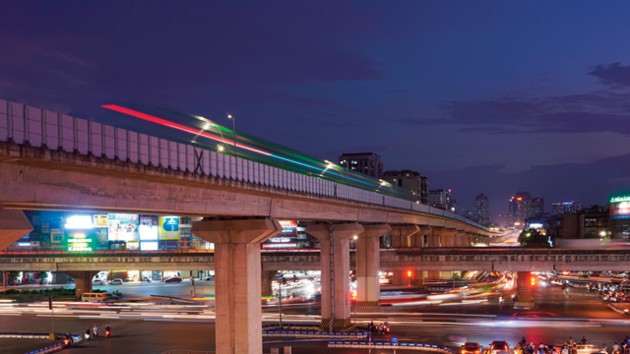
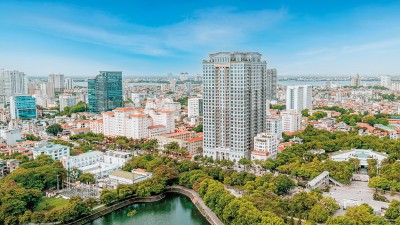
Better infrastructure and revitalized urban areas are tipped to drive growth in housing demand in Vietnam’s major cities, especially where public transport offers convenience.
According to current regulations, foreign organizations and individuals are allowed to own up to 30 percent of the apartments in a condominium building. For individual houses, foreigners can own no more than 250 units in an area with a population equivalent to a ward.
A number of amendments are contained within the draft revised Law on Housing, including rules on homeownership by foreign organizations and individuals.
Longevity and wellness are reshaping hospitality, creating new opportunities for resorts, hotels, and real estate investors amid Vietnam’s aging population.
Vietnam will manage contract-based overseas workers using individual identification codes throughout their entire employment lifecycle starting in 2027, according to a newly issued Prime Ministerial Decision.
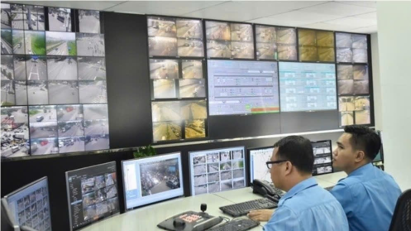
Deploying AI aims to shift traffic management from a reactive posture—responding only after bottlenecks have formed—to a data-driven approach that detects risks early and enables proactive regulation.
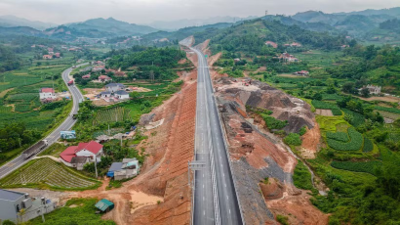
The project will build technical infrastructure systems, including ground leveling, transport roads, rainwater and wastewater drainage, a wastewater treatment station, power supply, public lighting, multi-utility service trenches, and green parks.