


What is the significance of the VEFTA for economic relations between Vietnam and the European Free Trade Association (EFTA), particularly with Norway, in the year marking the 55th anniversary of the establishment of diplomatic relations between the two countries?

We are very pleased that Vietnam and the EFTA have reached an agreement on a comprehensive free trade deal. The negotiation process was by no means simple, but the outcome reflects the strong commitment of all parties involved and underscores the significance of our partnership.
The VEFTA will create greater opportunities for businesses from Switzerland, Norway, Iceland, and Liechtenstein to access the Vietnamese market, while also facilitating the entry of Vietnamese goods into the markets of the EFTA member states. In doing so, the agreement will help boost trade and elevate economic relations between Vietnam and the four EFTA member states, particularly Norway, to a new level. This truly marks a significant milestone in our cooperative relationship.
While awaiting parliamentary approval, I believe we can begin preparations for implementation by disseminating information and developing road maps and proactive action plans.
Negotiations leading up to the formal signing of the agreement spanned 14 years. Could you tell us what the most difficult issues were and how they were resolved to reach an agreement?
Free trade negotiations are inherently complex and protracted, and our agreement is no exception. Many other such agreements have taken just as long to conclude. This is especially true considering there was a seven-year hiatus during which no negotiations took place at all.
The agreement spans 74 pages and comprises 14 chapters, reflecting the complexity of the negotiations. Viewed from another perspective, however, this underscores the commitment, perseverance, and strong consensus among the participating nations regarding the necessity of reaching a final agreement. The hours spent discussing specific issues have yielded tangible results, and we are extremely pleased with this outcome.
What benefits will the agreement bring to businesses and consumers in both Vietnam and Norway?
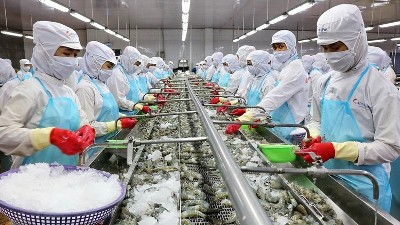
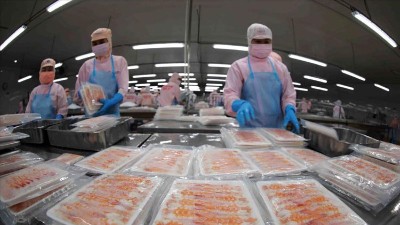
The trade agreement means that Vietnamese goods will have greater access to Norwegian consumers, and vice versa. Specifically, the agreement will facilitate the entry of our seafood exports into the Vietnamese market at zero tariffs. Seafood accounts for a significant share of bilateral trade between our two countries. This means that an increasing number of Vietnamese consumers will be able to enjoy Norwegian salmon and other high-quality seafood products at more affordable prices.
Conversely, we also hope that Norwegian consumers will soon be able to enjoy Vietnamese coffee and tropical fruit.
I strongly encourage Vietnamese exporters and producers to carefully study the agreement so they can take full advantage of the opportunities to enter the EFTA market once it comes into effect.
Could you explain the impact of the FTA on the decisions of Norwegian companies to invest and expand their operations in Vietnam?
The FTA provides legal stability and predictability, reflecting the long-term commitment of the participating parties and sending a highly positive signal to investors.
Vietnam’s impressive economic growth has attracted significant interest from Norwegian investors. Currently, more than 40 Norwegian companies operate in Vietnam. Many of these names have become familiar to the Vietnamese public, such as Jotun (paint), SalMar (salmon), and Yara (agricultural fertilizer). Meanwhile, the Norwegian firm VARD has been building modern seagoing vessels, ship hulls, and specialized vessels for the offshore wind energy sector in Vietnam for clients worldwide.
Furthermore, many companies are expanding their operations in Vietnam, while others are planning to enter the market, encouraged by the stable, predictable legal framework and greater procedural transparency fostered by FTAs.
The VEFTA will help make Vietnam a more attractive and predictable destination for Norwegian businesses looking to diversify their markets and supply chains. Improved market access, combined with a stable and transparent trade framework, will foster greater confidence among companies seeking to invest and expand their operations in Vietnam.
More importantly, the FTA could elevate Vietnam’s role within the business strategies of Norwegian firms in Southeast Asia, positioning the country not merely as a growing market but as a hub for production, processing, and service provision for both regional and global markets.
We have already seen this potential in practice. VARD’s shipbuilding facility in Vung Tau serves both regional and global markets. Similarly, Norwegian mackerel is imported into Vietnam for processing before being re-exported to other markets in the region. These examples demonstrate that Vietnam can play an increasingly significant role in regional and global value chains.
However, to effectively capitalize on the opportunities presented by the FTA, it is essential to have a skilled workforce, strong local partners, and close collaboration throughout the entire value chain, whether in aquaculture, the maritime sector, or the circular economy.
How can the agreement and the Green Strategic Partnership be translated into concrete cooperation between Vietnam and Norway in areas such as offshore wind power, low-emission maritime transport, aquaculture, the circular economy, and forest protection?
The Green Strategic Partnership and the FTA are highly complementary. The Partnership serves as a political framework between the two nations, identifying areas for cooperation, while the FTA provides a framework for trade and investment to realize these collaborative opportunities. Together, these two instruments open a new chapter in the relationship between the two countries.
Offshore wind energy, sustainable aquaculture, the development of a circular economy, and environmental protection, including the conservation of forest resources, are among the key areas of cooperation outlined in specific road maps under the Green Strategic Partnership. These are sectors in which Norway possesses technological strengths and where such technologies are already being applied in Vietnam. Another area with significant potential is green, low-emission maritime transport. The FTA will provide new and substantive momentum for these collaborative endeavors.
By combining Norway’s technology and expertise with Vietnam’s development aspirations, human resources, and dynamic economy, numerous opportunities for value creation will emerge for both nations while simultaneously supporting Vietnam’s goals for a green and sustainable transition.
What steps should Vietnamese enterprises, especially small and medium-sized enterprises (SMEs), take to meet the EFTA’s requirements?
Governments have a responsibility to share information, especially with SMEs. However, businesses themselves must also carefully study trade agreements to fully understand technical standards, documentation requirements, and rules of origin. Furthermore, companies need to enhance their traceability capabilities, covering everything from raw material inputs and production processes to their supply base. Greater attention should also be paid to quality, environmental performance, and sustainability, as these are becoming increasingly critical factors in international trade.
Meeting these requirements not only enables businesses to capitalize on opportunities presented by FTAs but also boosts their competitiveness and provides a road map for deeper integration into international supply chains. Norway can offer support by facilitating business connections and sharing its experience and expertise regarding sustainability and traceability.

I strongly encourage Vietnamese exporters and producers to carefully study the agreement so they can take full advantage of the opportunities to enter the EFTA market once it comes into effect.



 Google translate