


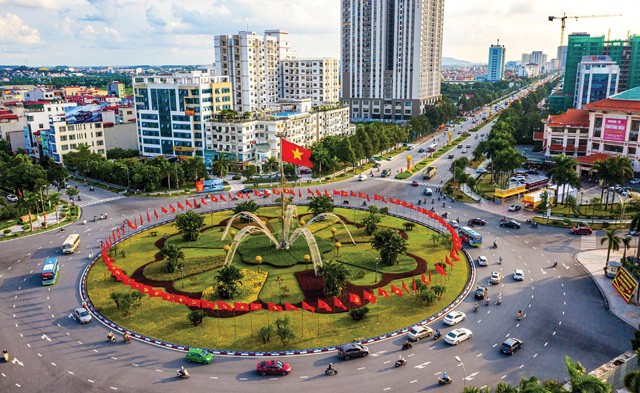
Vietnam had 29,786 foreign-invested enterprises as of the end of 2025, according to the 2026 Economic Census, which posted the fastest revenue growth of any business group between 2020 and 2025, at 78.1 per cent.
Total registered FDI had reached $50.36 billion through end-September, according to the National Statistics Office at the Ministry of Finance. Of this, 3,108 newly-registered projects attracted $29.24 billion, up 6.2 per cent in project numbers and 2.4-times in registered capital year-on-year. Another 948 existing projects registered additional investment totaling $14.15 billion, an increase of 25.1 per cent.
As FDI inflows grow, so does the number of foreigners living and working in Vietnam. As of the end of 2025, it was hosting 162,858 foreign workers from around 110 countries and territories, according to a report on the implementation of Decree No. 219/2025/ND-CP. Technical workers made up the largest group, at 85,951, followed by specialists (44,342), managers (22,416), and executive directors (10,149). The growing foreign workforce is driving demand for housing, including opportunities for homeownership.
Policy framework
Throughout the country’s process of reform and development, the Party and government have consistently identified housing development as a key priority, recognizing its importance for political stability, social welfare, and improvements in people’s quality of life. Accordingly, Vietnam has placed considerable emphasis on refining its housing policy framework, including regulations governing foreign homeownership, to ensure they remain appropriate to the country’s circumstances and development trajectory.
Vietnam began piloting a policy allowing foreigners to own homes in 2008 under Resolution No. 19/2008/NQ-QH12. The right was subsequently formalized more clearly under the Law on Housing 2014, which took effect on July 1, 2015, and continued under the Law on Housing 2023, which expanded the categories of eligible foreign owners and relaxed certain ownership conditions.
The current draft amendments to the Law on Housing propose allowing foreign organizations and individuals operating in Vietnam, as well as foreign individuals permitted to enter the country, to purchase, lease-purchase, receive as a gift, or inherit apartments in eligible housing projects.
Foreign ownership would remain capped at 30 per cent of the total apartments in an apartment building, in line with current regulations. However, the draft would remove the right of foreign organizations and individuals to own individual houses, including villas and townhouses. Under the Law on Housing 2023, foreigners may own up to 250 detached or semi-detached houses in an area with a population equivalent to that of a ward.
If adopted and implemented, the proposed amendments would therefore prevent foreign organizations and individuals from owning individual houses, including villas and townhouses, within housing projects.
The proposal aims to institutionalize Resolution No. 21-NQ/TW from the Party Central Committee, which sets out orientations for amending the Land Law and related legislation. The Resolution calls for land not to be privatized and prohibits foreigners from acquiring land-use rights through any form of transfer.
At the same time, the proposed changes seek to ensure consistency between housing and land legislation without significantly affecting the housing segment serving foreign buyers. In practice, demand for homeownership among foreigners in Vietnam is concentrated primarily in the apartment segment.
Housing and FDI growth
According to the Ministry of Construction’s report reviewing the implementation of the Law on Housing 2023, a cumulative total of 6,188 homes owned by foreign organizations and individuals had been issued ownership certificates nationwide as of September, primarily apartments. Of these, 1,519 apartments were owned by foreign organizations and individuals following the entry into force of the Law on Housing 2023.
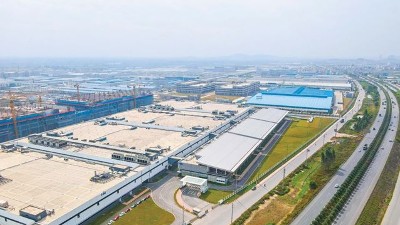
Bac Ninh, widely regarded as a major industrial hub and an FDI destination in northern Vietnam, has a particularly large foreign population working and living in the city. There are 41,416 foreigners that have registered for temporary residence in the city as of early October 2026. Meanwhile, the Bac Ninh Industrial Parks Management Board reported that nearly 25,000 foreign specialists, managers, engineers, and highly-skilled technical workers were employed in the city’s industrial parks as of the end of September 2026.
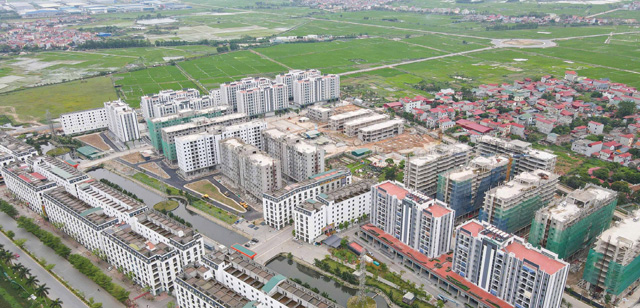
Based on Bac Ninh’s master plan and plans for industrial park development through 2030 and beyond, this number is expected to increase by 10-15 per cent annually over the next three to five years.
Beyond rental accommodation, demand for homeownership among foreigners seeking to establish long-term lives in Bac Ninh is also growing. The Department of Agriculture and Environment reported that the city had issued 498 ownership certificates to foreign organizations and individuals to date. In the first nine months of 2026 alone, it received 95 applications and completed the process of issuing certificates to 88 applicants.
The local real estate brokerage association expects this trend to continue, viewing rising foreign homeownership as a positive signal for Bac Ninh’s property market. It could help absorb a considerable volume of high-end housing products while encouraging infrastructure development, improving urban amenities and aesthetics, stimulating economic growth, and creating jobs for local residents. It could also promote higher living standards, cultural exchange, and greater professionalism among the local population.
However, Bac Ninh still lacks sufficient housing projects offering the quality of living environment required by many foreign residents. According to the Bac Ninh Industrial Parks Management Board, some existing housing projects have good technical infrastructure but lack coordinated social infrastructure and supporting services, including multilingual services, access to international-standard healthcare, and high-end entertainment facilities.
Meanwhile, Bac Ninh is accelerating its shift toward attracting next-generation FDI, focusing on high-tech projects, electronics, semiconductors, green industries, and other sectors with high knowledge and technology content. Unlike earlier generations of foreign workers, specialists associated with this new wave of investment have much more demanding expectations for their living environments.
To address these needs, the management board has proposed establishing a coordination mechanism linking government agencies, FDI enterprises, and real estate businesses. This would enable developers to obtain direct feedback on the housing standards, locations, and preferences sought by foreign corporations, allowing them to develop products that more closely match actual demand.
It has also recommended that the Department of Construction advise the city to prioritize land allocation and attract internationally-experienced investors to develop smart urban areas and high-end serviced apartment complexes specifically for specialists.
In addition, official multilingual information channels should be established to connect recently-arrived specialists with legally eligible housing supply in the area. Administrative procedures related to confirmation, sponsorship, and residence registration for foreigners living in housing projects should also be simplified.



 Google translate